

Everyone’s transition to civilian employment is different, some people know what role they are looking for and how to get there, for others it’s a different story.
There is a lot of choice for veterans when considering civilian employment, so how should you go about it?
One option is to find an organisation that is committed to employing veterans and building a work environment where you can thrive. Many employers, including small to large organisations across a variety of industries, understand the skills and experiences veterans can bring and have joined the Veteran Employment Commitment (VEC). By doing so, they have demonstrated that they have policies and practices in place to recruit veterans and to support them once they are in a role. View the list of these employers.
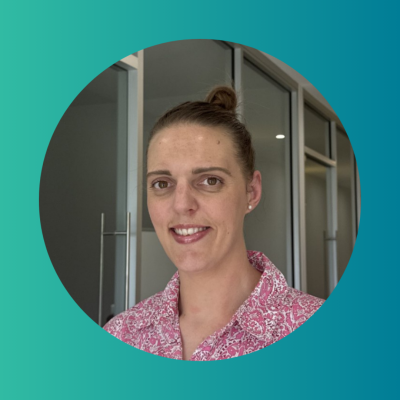
Another option is to consider volunteering. For Michelle Barns, who served in the Royal Australian Air Force for 11 years before medically discharging in 2019 as a Corporal, volunteering helped her build confidence and new networks and ultimately land a new role that suits her needs. Michelle is also a mum and the spouse of a current serving Army veteran.
When looking to return to the workforce, Michelle’s DVA rehabilitation consultant suggested volunteering to test things out. She commenced a volunteer office administrator role with a veteran ESO 2-4hrs/week which allowed her to build her skills, test out her work capacity, and it confirmed for her that it was a type of role she enjoyed. Michelle says, 'It was also great to get out and meet new people.'
Volunteering with this organisation led to Michelle learning about a casual role at Evergreen Financial Advisors, a Veteran Employment Supporter on the VEC. Michelle joined the Evergreen team in July 2024 as the administration point of contact for veteran clients. The business owner and her manager, both veteran’s themselves, supported Michelle by being flexible with workdays and hours based on her medical appointments, and family life, with her husband often away or working irregular hours. ‘They provide me with a high level of trust and let me work within my capacity. I am able to manage my own time and get my work done, without sacrificing my rehabilitation needs.’
‘Working has been extremely positive for me mentally. I was noticing I was struggling without a purpose or task to achieve and feeling isolated, either being at home by myself or just attending appointments. When I go to work and complete tasks or help someone, I feel needed and part of the team – just like I did in the ADF. It makes such a difference to have something else to focus on (other than pain) and contribute to, knowing I have a supportive team.’ Michelle says.
When asked what advice she would give to employers taking on veteran employees, Michelle says:
‘Set clear expectations including what their roles and responsibilities are, and reduce ambiguity around tasks that are required, and by when – that made a big difference for me. Also to have the understanding that every week may look slightly different for veterans with medical needs and/or the partner of a serving member, to provide flexibility and support within the workplace.’
Employers can find more advice on implementing veteran employment initiatives in the Employers section of the Veteran Employment Program website.